Bangkok does not ease you in. The heat hits you at the airport door, the traffic seems to have no rules and every street smells of something grilling. Give it a day. Once you know how the city is put together, it becomes one of the easiest big cities in Asia to enjoy.
This guide is for your first three or four days. It covers where to base yourself, how to move around without losing hours in traffic, what is worth your time and the small mistakes that cost first-timers money and patience. Short on time? Our Bangkok in 3 days itinerary turns it into a day-by-day plan.
Before you land
Bangkok’s main international airport is Suvarnabhumi (BKK). Low-cost flights often use the older Don Mueang airport (DMK) instead, so check your ticket.
At Suvarnabhumi, the immigration hall can be slow at peak times. If you are arriving after a long-haul flight, with children, or you hate queues, a fast-track service is the one thing worth booking before you leave home.
To get into the city, you have three options: the Airport Rail Link train, a metered taxi from the official taxi queue on the arrivals level, or a pre-booked transfer. Download Grab before you fly. It works like Uber, shows the price upfront and is the easiest way to get around for the rest of your trip. Our Suvarnabhumi airport guide compares every option, with prices and where to find each one.
Where to stay
Where you sleep shapes your whole trip, because crossing Bangkok can take an hour at rush hour.
- Sukhumvit (Asok, Nana, Phrom Phong): the easiest base for a first visit. Two train lines, endless food and the city’s nightlife on your doorstep. Pick a hotel within a few minutes’ walk of a BTS station. Worried about Nana’s reputation? Here is our honest take on whether Nana is safe at night.
- Riverside: slower, prettier and closer to the Old Town. Hotels along the Chao Phraya have the best views in the city and the river boats take you to the temples.
- Old Town and Banglamphu: good if temples are your main reason to come. Quieter at night, and further from the train network.
If you cannot decide, stay on Sukhumvit and treat the Old Town as a day out.
How to get around
Forget taxis for long distances during the day. Use the trains.
- BTS Skytrain and MRT subway connect most of the places you will want to go. They are clean, air-conditioned and fast. On the MRT lines you can tap in with a contactless Visa or Mastercard; the BTS Skytrain still needs a single-journey ticket or a Rabbit card.
- Chao Phraya Express Boat runs up and down the river and is the best way to reach the Grand Palace and Wat Arun. Get off at Tha Chang or Tha Tien pier.
- Grab for door-to-door rides, especially late at night.
- Tuk-tuks are fun for short rides. Here is what a tuk-tuk should cost. Agree on the price before you get in, and say no if the driver offers to take you to a “special shop” on the way.
Day one: temples before the heat
Start early. By 11 in the morning the Old Town is hot and full of tour groups.
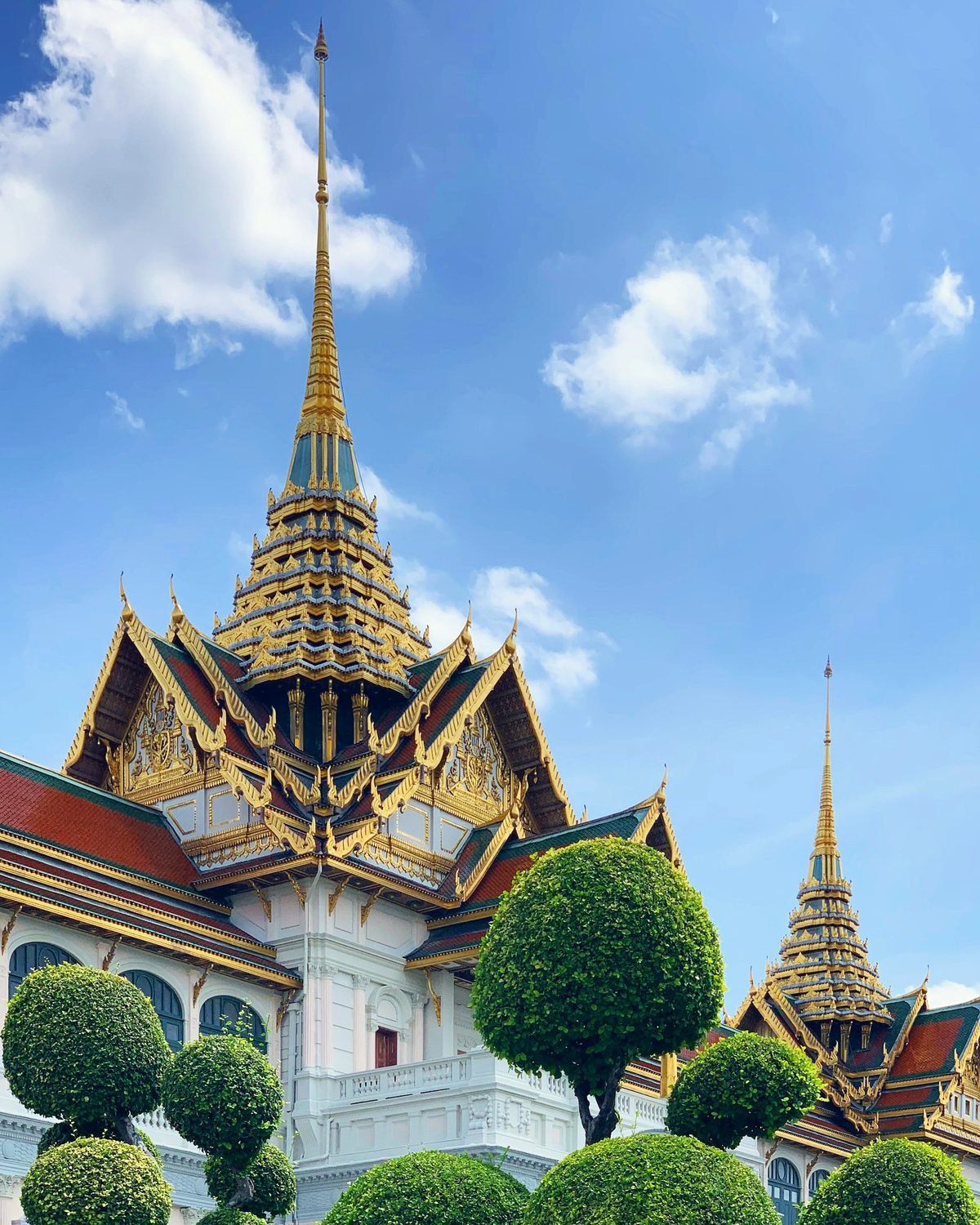
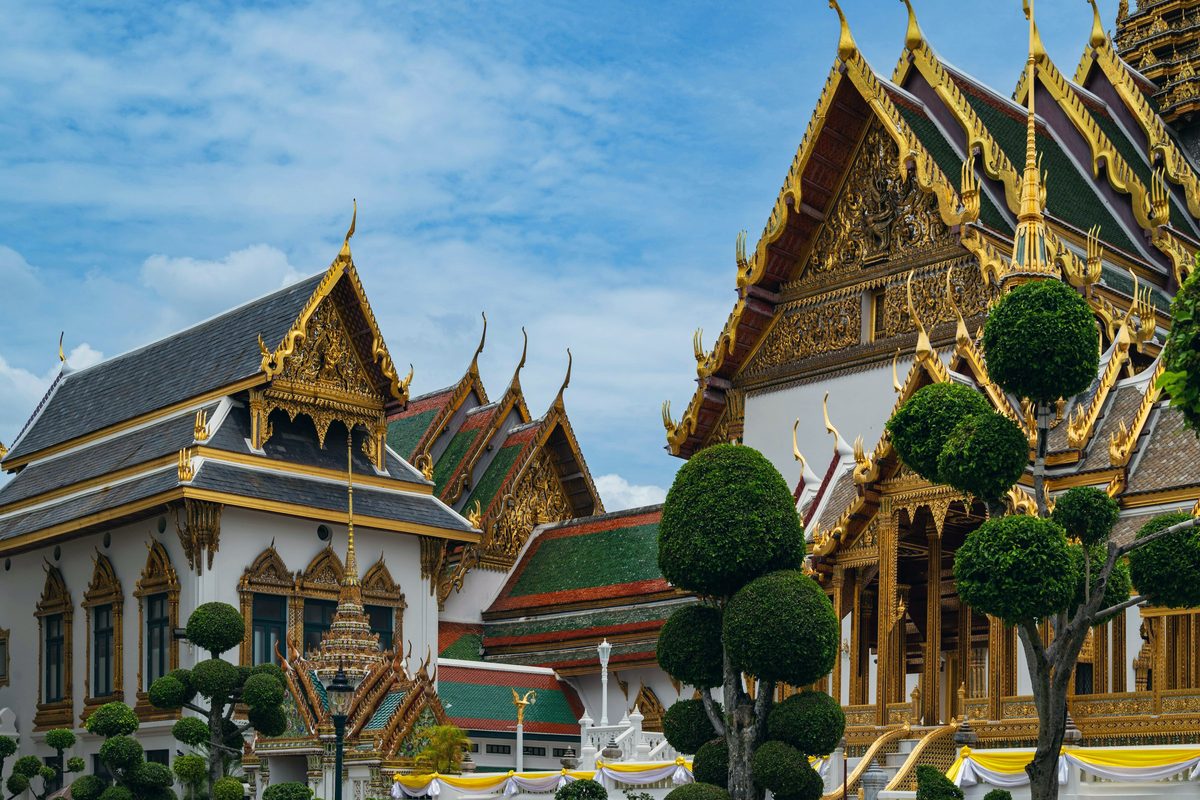
The Grand Palace and the Temple of the Emerald Buddha are the big ones. Next door, Wat Pho has the giant reclining Buddha and is usually calmer. From the pier behind Wat Pho, a small ferry crosses the river to Wat Arun in a few minutes.
Cover your shoulders and knees. Temples will turn you away in shorts or a sleeveless top. If someone outside the palace tells you it is “closed today” and offers a tuk-tuk to another temple, walk on. The palace is open and the tuk-tuk goes to a gem shop.
We wrote a full walking plan for this area in our Old Town and Chinatown guide.
If you want a guide for the temples, this small-group tour covers the Grand Palace, Wat Pho and Wat Arun in one morning.
Evening: eat in Chinatown
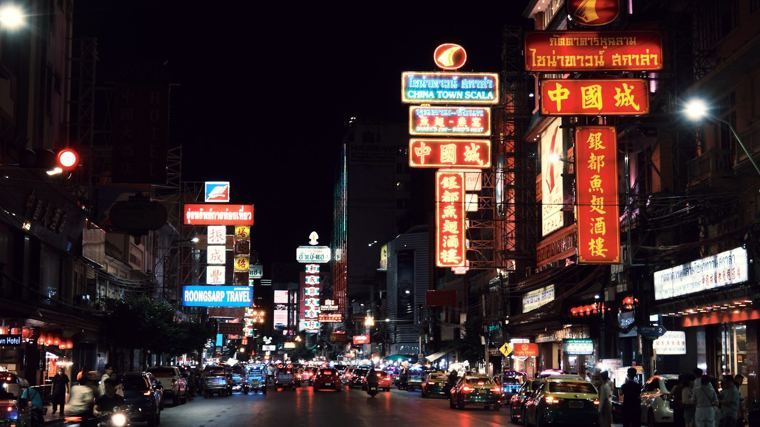
When the sun goes down, Yaowarat Road in Chinatown lights up with neon signs and the street food stalls take over the pavement. Share plates and move from stall to stall rather than sitting down for one big meal.
If you would rather have someone else plan the evening, a tuk-tuk tour is a fun way to see Chinatown, the flower market and Khao San Road in one go.
Day two: neighbourhoods, not landmarks
Bangkok is best understood one neighbourhood at a time. Spend a day exploring two that feel completely different.
- Talat Noi next to Chinatown has old shophouses, street art and small cafés. It is one of the most photogenic corners of the city, and our guide to Bangkok’s most photogenic places tells you when the light is best.
- Thonglor and Ekkamai on Sukhumvit are where young Bangkok eats and drinks: Japanese restaurants, design cafés and hidden bars.
- Siam to Phrom Phong is the city’s mall belt, linked by the Skytrain. Our shopping route by BTS takes you through it stop by stop, and it is the best plan for a rainy afternoon.
If you want photos of yourself and not only of buildings, a local photographer can walk you through Chinatown’s best corners and tell you how to stand.
Day three: markets, rooftops and a massage
On a weekend, go to Chatuchak Weekend Market in the morning before it gets too hot. In the late afternoon, book a traditional Thai massage. You will have walked more than you think.
Finish the day on a rooftop. Bangkok’s skyline is at its best around sunset, when the city turns from gold to neon. Check the dress code before you go: many rooftop bars do not let in shorts or flip-flops. Our rooftop bar guide compares prices, dress codes and queues.
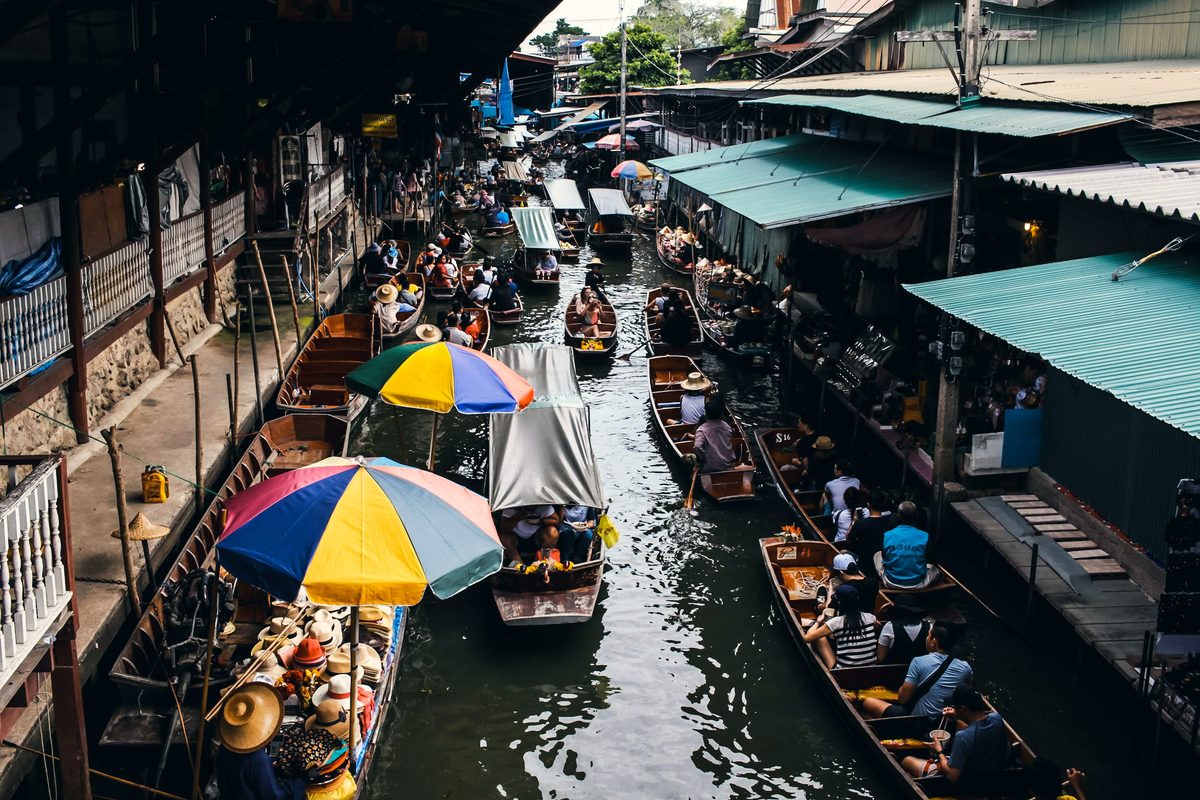
For a slower hour, a longtail boat through the Thonburi canals shows the city from the water.
Day four: get out of the city
Ayutthaya, Thailand’s old capital, is the classic day trip. Its temple ruins are a short drive north of Bangkok and make a good contrast to the city.
Our day trips guide compares all the options. For the details, read our guides to Ayutthaya, the River Kwai, Erawan Waterfall and Koh Samet.
Mistakes first-timers make
- Trying to do too much in one day. Traffic and heat slow everything down. Two big things a day is plenty.
- Not carrying cash. Street food stalls, small shops and tuk-tuks want baht.
- Wearing the wrong clothes to temples. Pack one pair of long trousers and a shirt with sleeves.
- Taking the first tuk-tuk price. Agree on the fare before you sit down.
- Skipping water. Drink more than you think you need.
Should you book a guide?
You do not need a guide to enjoy Bangkok. The trains are easy and the main sights are well signposted. A guide makes sense in three situations: for food, because a local knows which stalls are worth the queue; for day trips, because transport is the hard part; and for photos, because a photographer knows where the light is.