How to ride a tuk-tuk without paying the tourist price
No meter, no fixed price, no problem — if you know the anchors. What a ride should cost, how the negotiation works, and the two famous detours to refuse with a smile.
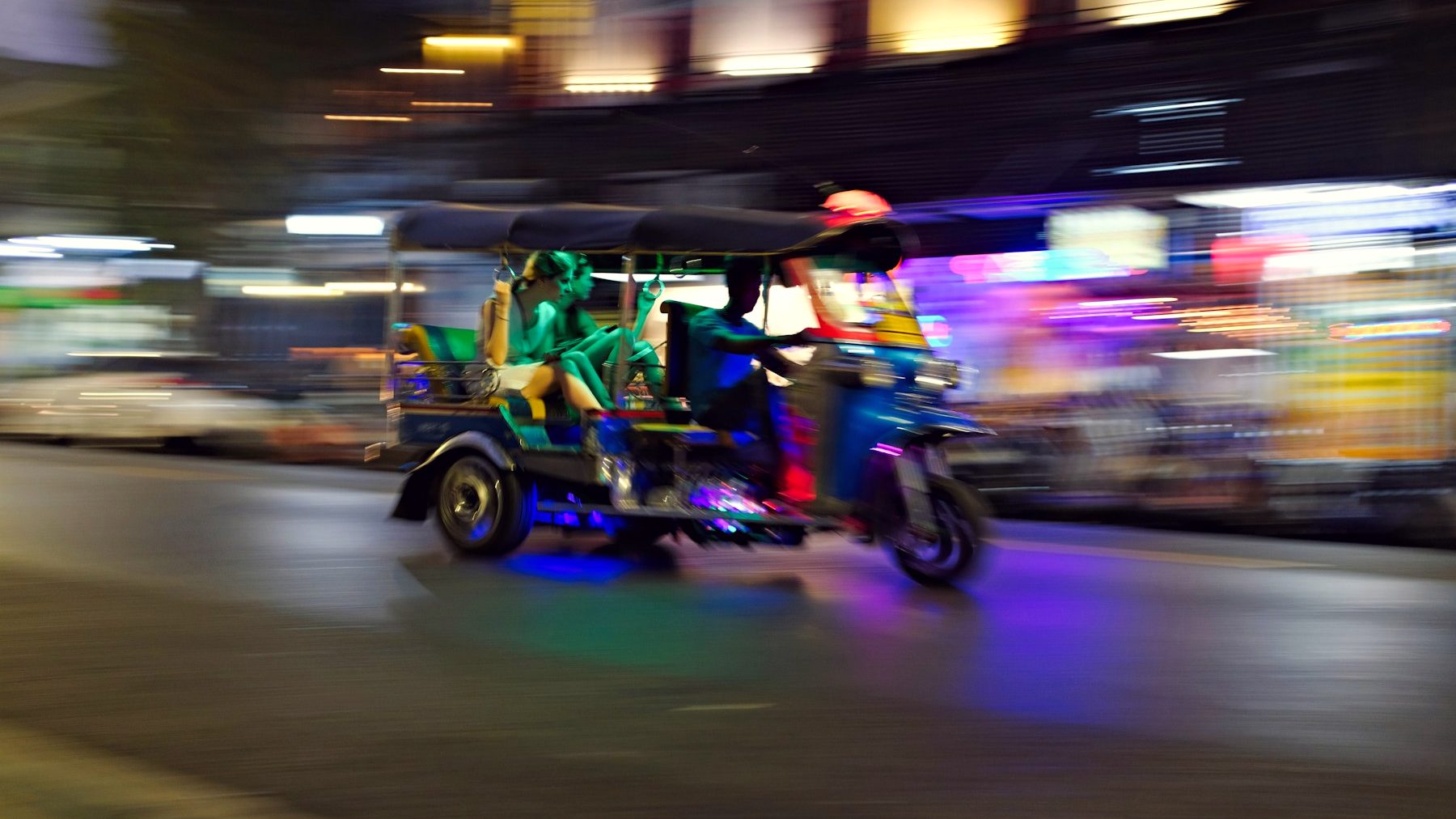
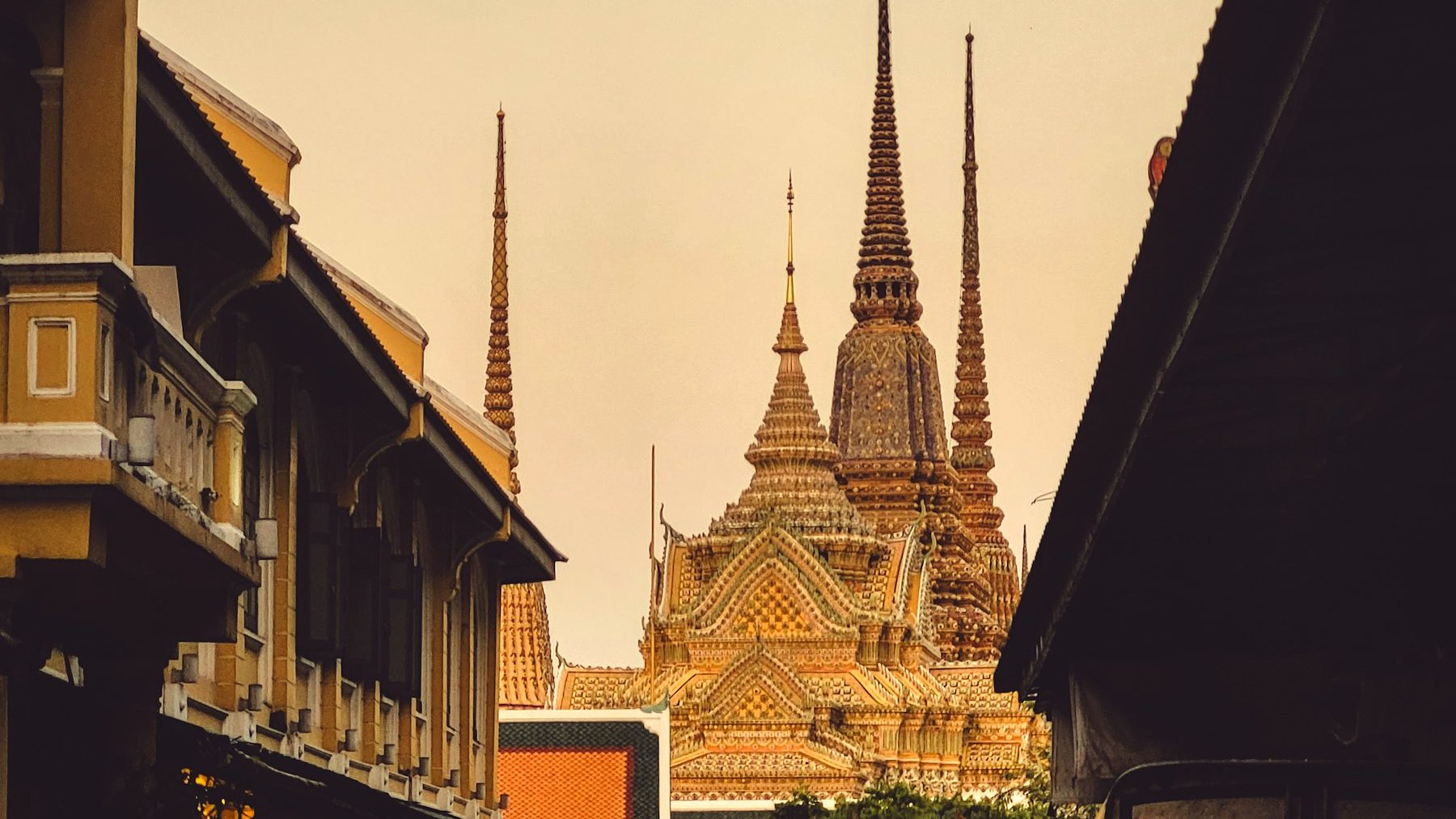
Three wheels, no windows, full Bangkok. · Photo: paolocandelo / Unsplash
Nothing says Bangkok like your first tuk-tuk: the rattle of the two-stroke engine, the warm wind, the city sliding past with no window in between. And nothing says tourist like paying ฿400 for a ride a local would take for ฿80. The gap between those two numbers isn’t luck — it’s a small set of skills, and all of them are learnable in five minutes.
What a ride should cost
Tuk-tuks have no meters; every fare is negotiated before you get in. As a rough anchor, a short hop of one or two kilometers runs around ฿60–100, and longer rides across a district ฿150–300 [prüfen]. Here’s the honest part most guides skip: a tuk-tuk usually costs more than an air-conditioned metered taxi or a Grab for the same route. You’re not paying for transport — you’re paying for the ride itself. That’s fine, as long as it’s a choice and not a surprise.
The negotiation, step by step
Know the fair price before you wave — ask your hotel or check what Grab quotes for the route, then expect the tuk-tuk to cost a bit more. The driver opens high; counter at about half and meet in the middle, with a smile — this is a game both sides know. Confirm the number is the total, not per person, before anyone sits down. Carry small notes so the “no change” move can’t work. And remember the strongest card in your hand: there is always another tuk-tuk thirty seconds away. Walking away politely wins more negotiations than haggling ever will.
You’re not paying for the kilometers. You’re paying for the wind.
The two detours to politely refuse
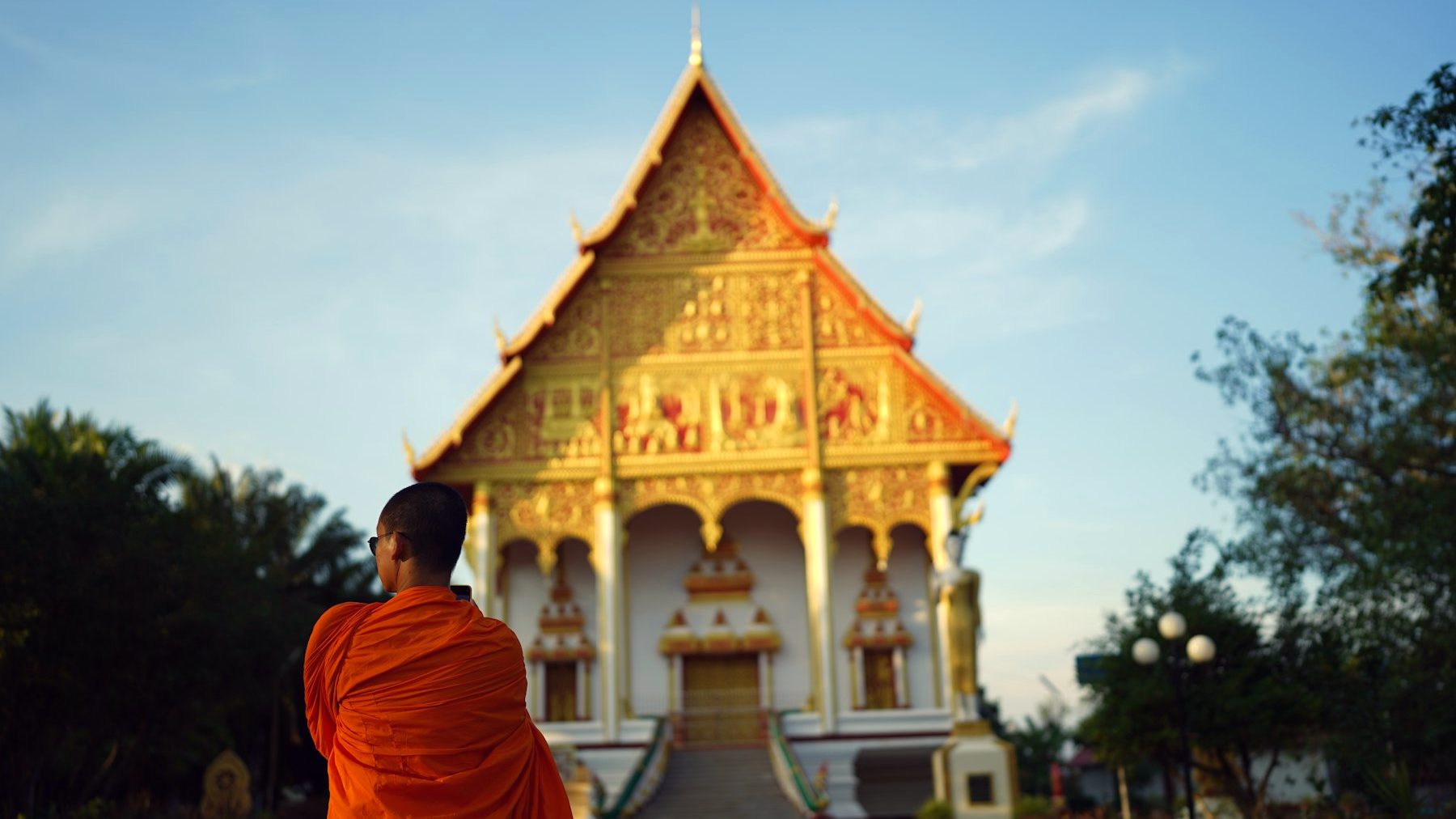
Classic number one: the ฿20 ride, or even a free one, “because today is a special Buddha holiday promotion.” The ride is real; the destination is a gem shop or tailor where the driver collects commission while you collect pressure. Classic number two: “That temple is closed today — I take you somewhere better.” The temple is not closed. Both scripts dissolve with the same spell: a smile, a “no thank you,” and feet that keep moving. A fair-priced driver who takes you straight where you asked is the normal case — most drivers are working people, not con artists.
When a tuk-tuk is the right choice
Short hops through the old town and Chinatown, where no train goes and taxis crawl — that’s tuk-tuk country. Night rides when traffic finally clears are the best of all: cool air, empty roads, neon overhead. Skip rush hour (roughly 7–9am and 4–7pm), when you’d be sitting in an open-air vehicle at exhaust-pipe height. For boring A-to-B distances, Grab and Bolt are cheaper and air-conditioned — and in some zones the electric MuvMi tuk-tuks run app-booked shared rides at local prices [prüfen].
FAQ
Short rides of one or two kilometers typically negotiate to around ฿60–100, longer rides ฿150–300 [prüfen]. The first quote to a tourist is usually two to three times that — counter politely and meet in the middle.