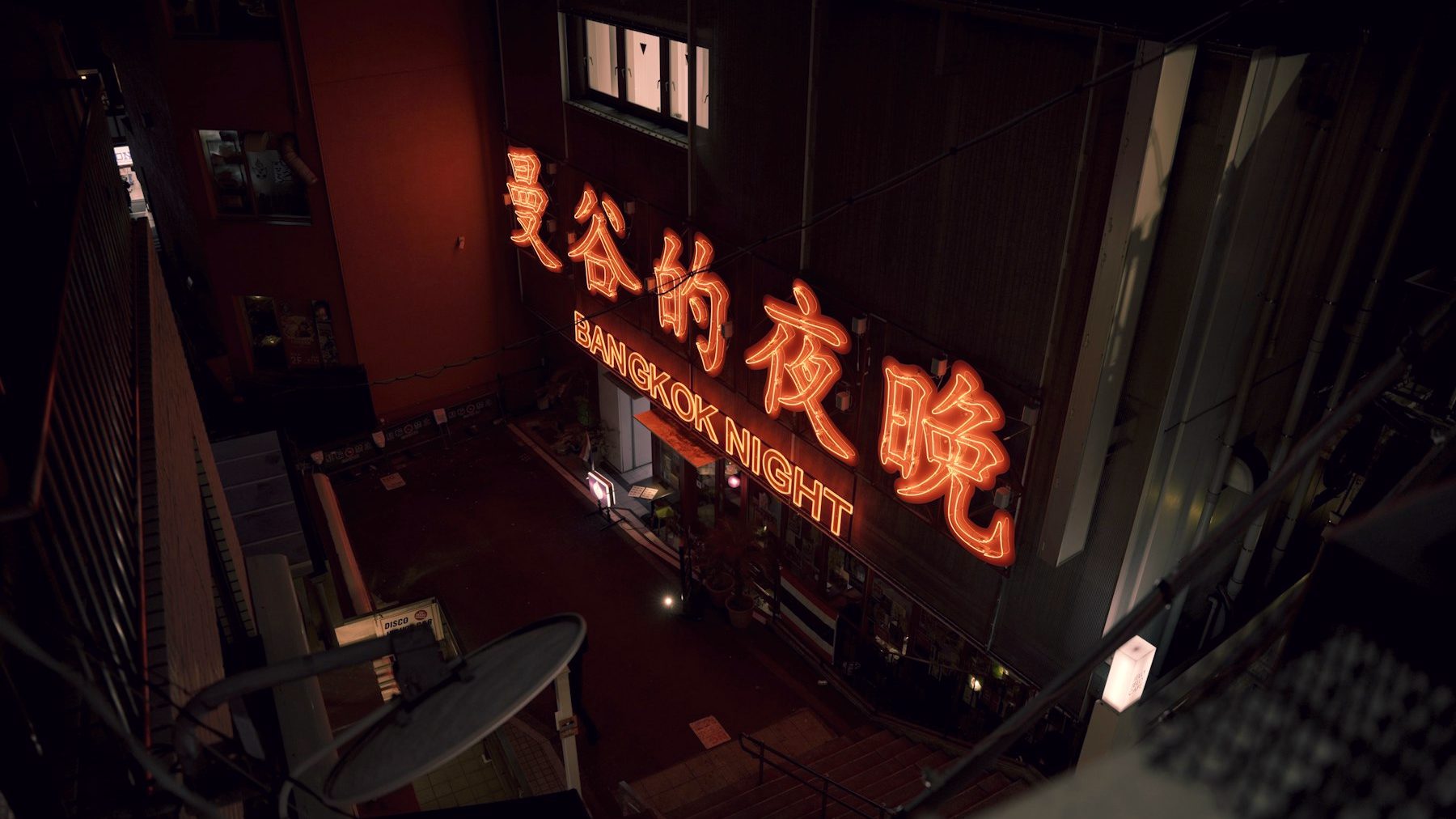
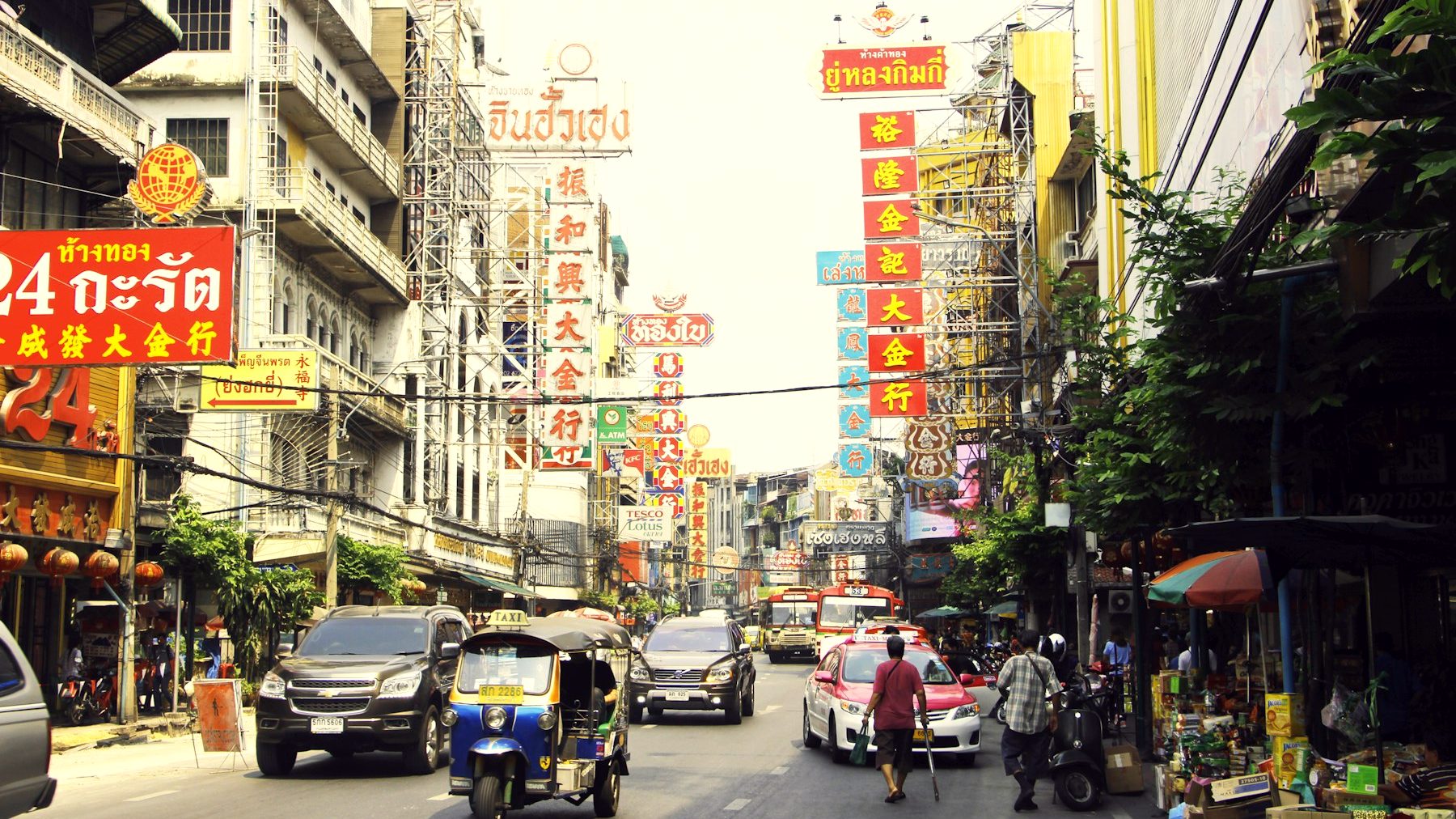
Yaowarat after dark: what to eat on Bangkok's Chinatown road
Every evening around six, Bangkok's oldest road changes shifts. The gold shops roll down their shutters, a few hundred cooks roll out their carts, and one of the world's great street food strips opens for dinner. Here's how to eat it like you've done it before.
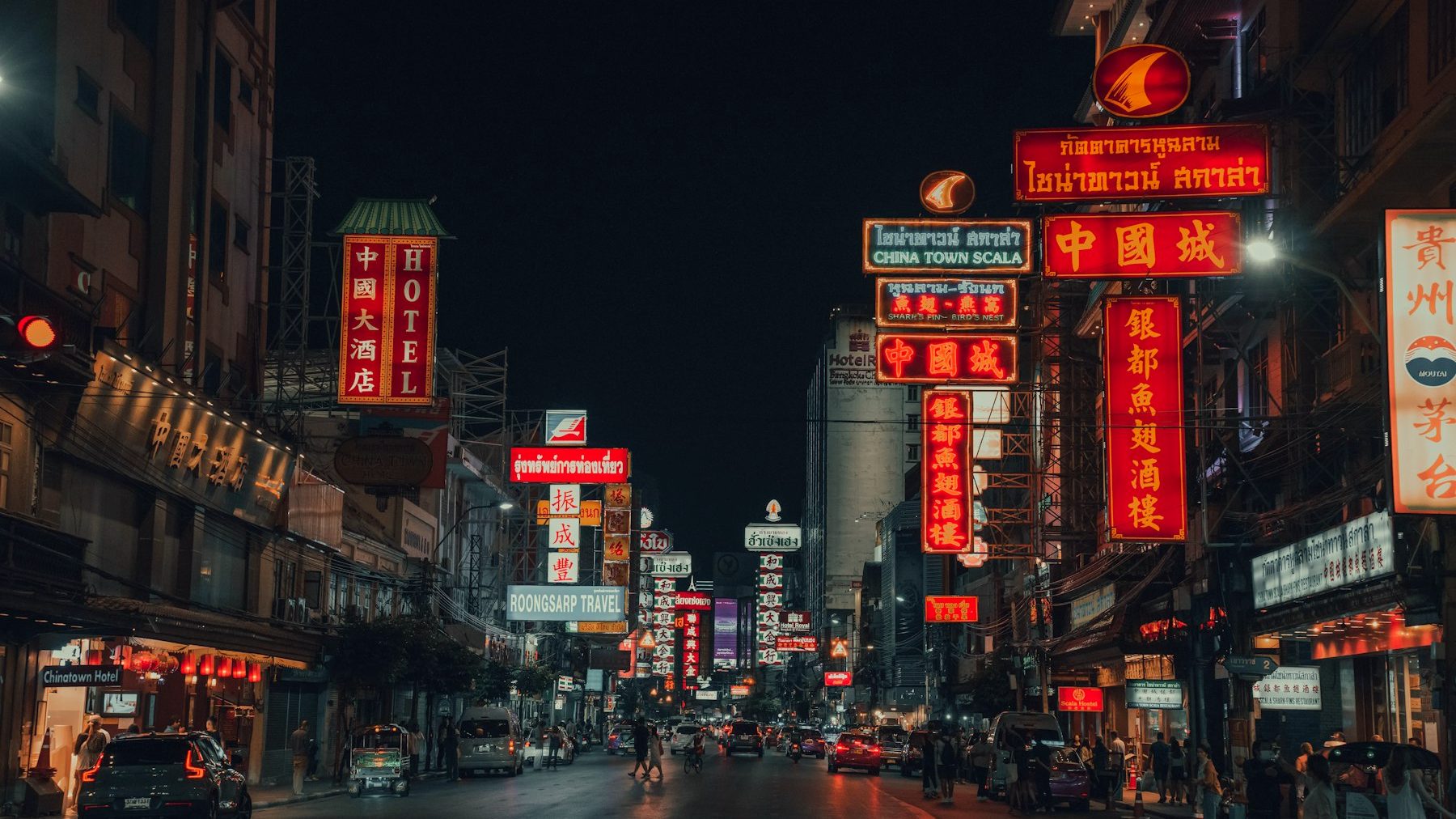
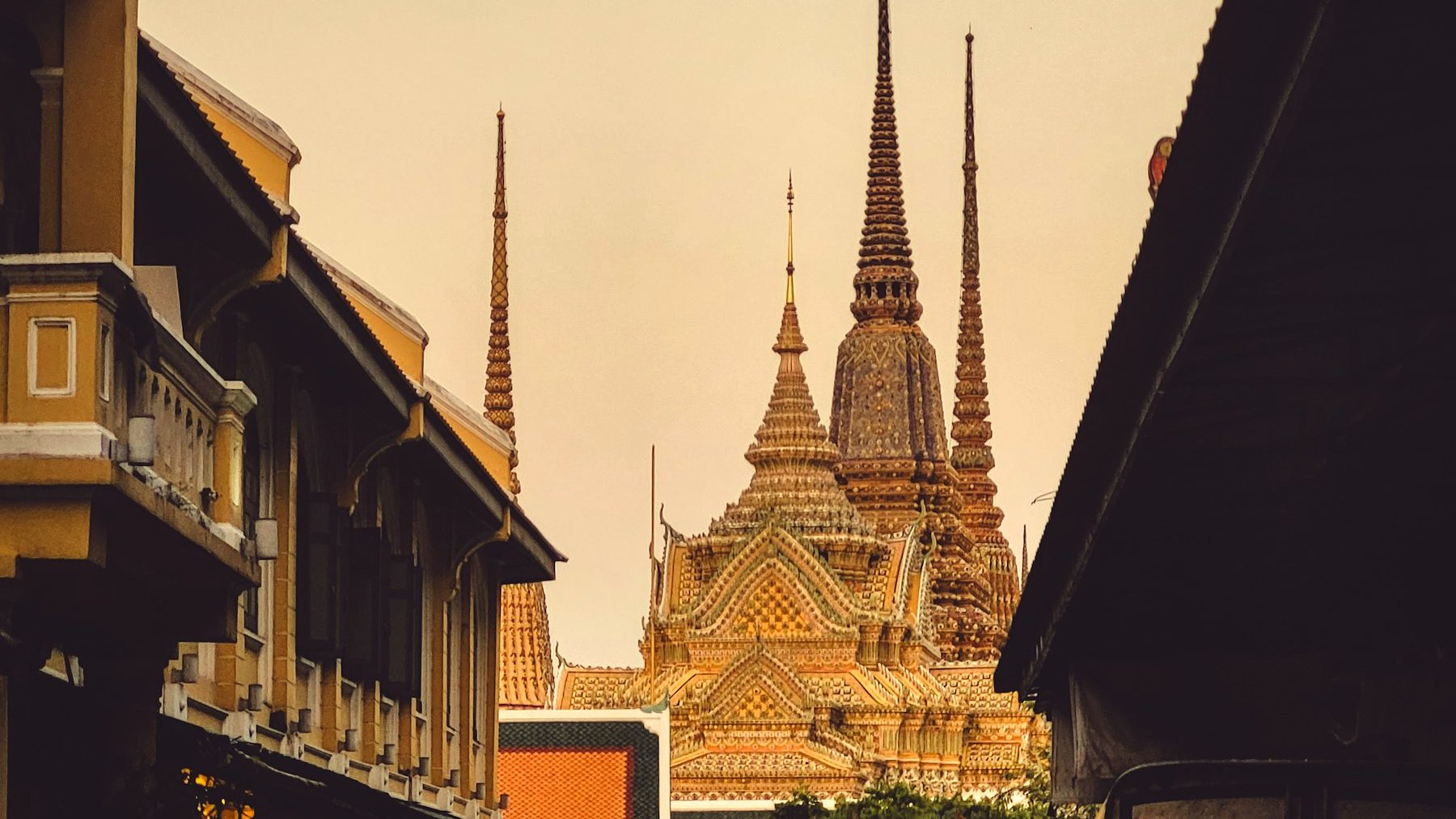
Yaowarat after sunset, when the road turns into a kitchen. · Photo: nassel_bradrey / Unsplash
There is no menu for Yaowarat. The road itself is the menu: a kilometer of woks, steamers, charcoal grills and chestnut roasters, read from one end to the other on foot. First-timers make the same mistake every night — they fill up at the first three stalls and spend the rest of the walk pointing at things they no longer have room for. The locals' way is the opposite: small portions, many stops, and a rough idea of what's worth a queue before you set off. Consider this that rough idea.
When to go — and the Monday rule
The street food shift starts around 5–6pm and runs late; some carts cook past midnight. The one evening to avoid is Monday: most stalls across Bangkok stay home that night (it's the city's traditional street-cleaning day), and Yaowarat can feel switched off. Go Tuesday through Sunday. The road is busiest between 7 and 9pm — come at six for short queues, or after nine for the late-night mood.
The dishes worth queueing for
The signature dish of the road: rolled rice noodles and crispy pork belly in a broth so peppery it clears your sinuses. Two legendary rivals serve it — Nai Ek (Michelin-listed [prüfen]) and the late-night cart at the Soi 11 corner. Order both, argue about the winner.
A Chinatown institution with no tables at all — you eat your plate of old-school Thai-Chinese curry standing or perched on a stool at the curb. The point is the curry, not the furniture.
Eggs, batter and plump oysters fried until the edges shatter. Ask for it crispy ("grob") and add the extra oyster — you're here once.
The famous corner where rival crews grill river prawns over charcoal and the tables spill across the intersection. It's a show, it's fun, and it's the most touristy bite on this list — check prices before you order the big prawns.
Follow the smell of chestnuts roasting in hot black sand, then join the queue for charcoal-grilled buns stuffed with sangkaya custard. If you still have room, the old dessert shops serve warm ginger soups and bua loy until late.
The best table on Yaowarat is a plastic stool that was somewhere else ten minutes ago.
How to order like you've done it before
Pointing is a complete sentence on Yaowarat, and a smile is the grammar. Watch what the table next to you ordered, point at it, hold up fingers for how many. A queue of locals is the most reliable review system ever invented — join it even if you don't know what's at the front yet. And keep moving: the right portion size here is "one more stop is still possible."
One thing we'd skip
The neon signs for shark fin and bird's nest soup are part of old Chinatown's furniture, but we don't send guests there: shark fin carries a heavy ecological cost, and both dishes trade mostly on prestige. The ฿800 you'd spend on a small bowl buys a better evening at five noodle stalls — and the noodle cooks will be happier to see you.
FAQ
Mostly no. The majority of stalls stay closed on Mondays, Bangkok’s traditional street-cleaning day. Go Tuesday through Sunday from around 6pm for the full experience.