Temple dress code in Bangkok: the simple version
Shoulders, knees, shoes. That’s the whole rule — almost. What to wear to Bangkok’s temples, what gets you turned away at the gate, and how to stay cool while covered.
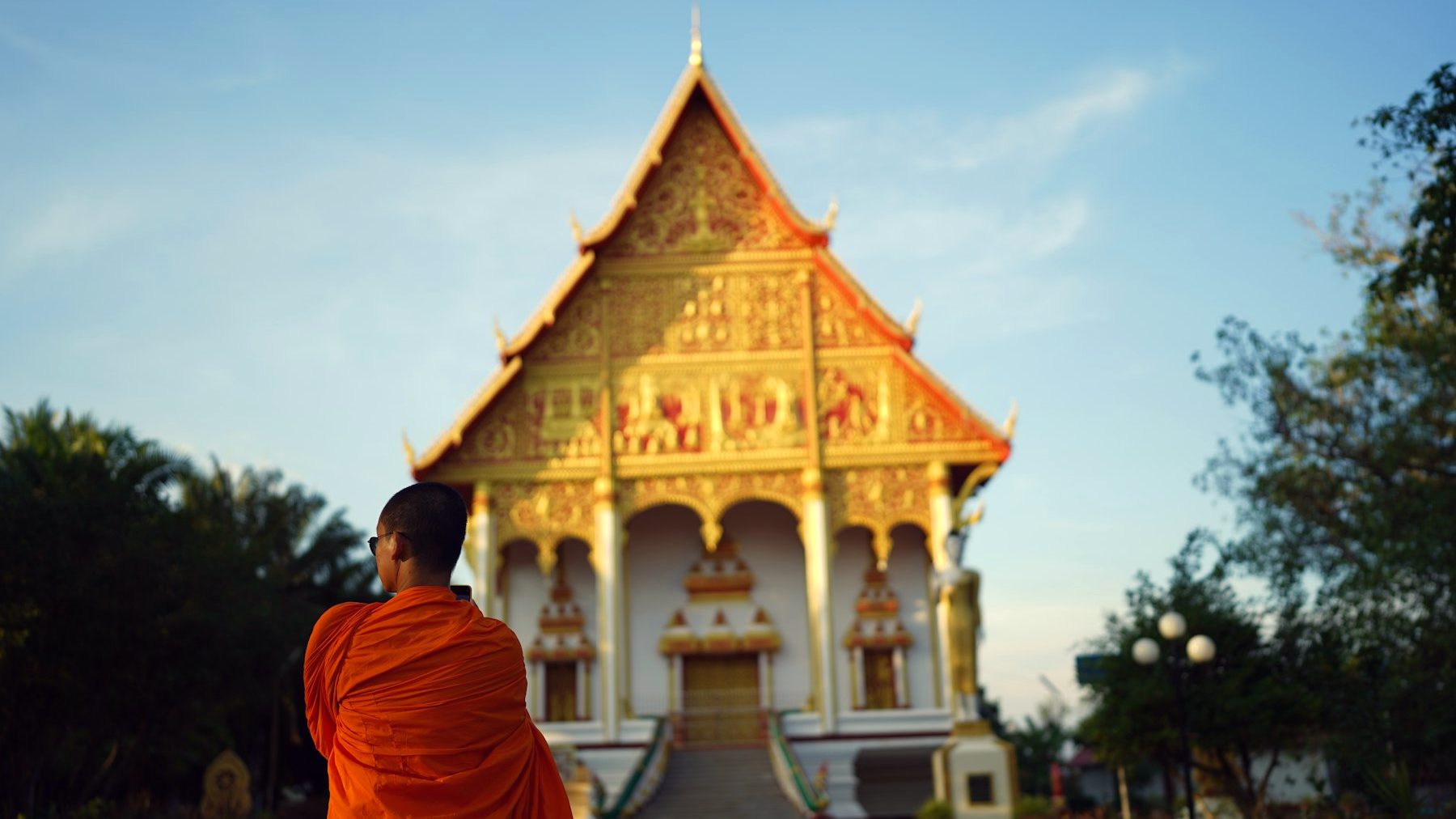
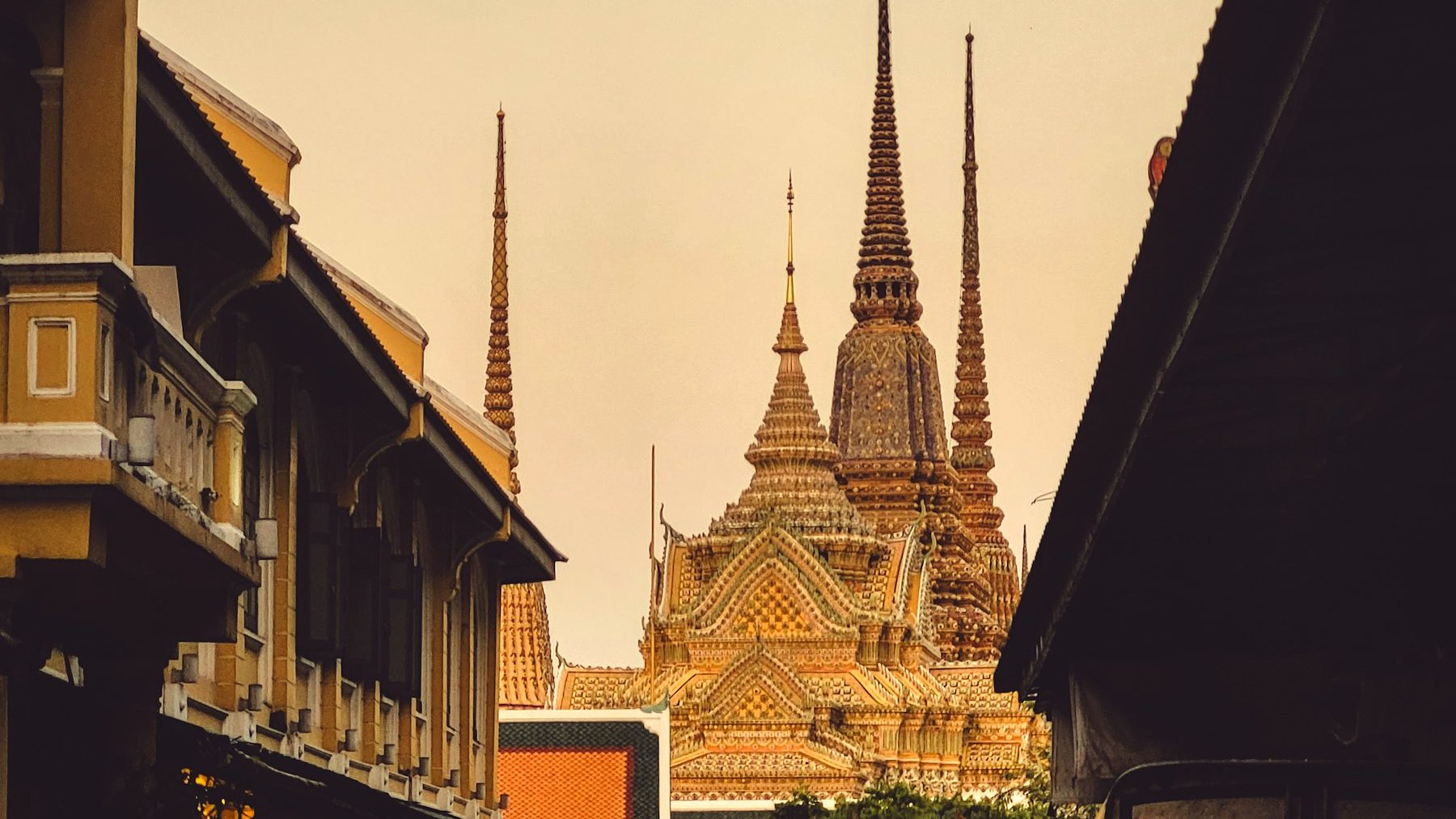
Temples are working religious sites. Dress for them. · Photo: 2023kbp / Unsplash
Every morning at the gates of Bangkok’s great temples, the same small drama repeats: visitors who flew eleven hours get stopped three meters from the entrance — wrong shorts, bare shoulders, a see-through top. The rules aren’t complicated, and nobody is trying to catch you out. Temples are working religious sites, monks live there, and the dress code is simply the respect fee. Here is the whole thing, in three words and a few footnotes.
The three-word rule: shoulders, knees, shoes
Cover your shoulders, cover your knees, and take your shoes off before entering any temple building. That covers 95% of situations. T-shirts are fine; tank tops, crop tops and muscle shirts are not. Long trousers, long skirts and knee-covering shorts work; short shorts and miniskirts don’t. At the big sites — the Grand Palace above all — the checks are strict and professional; at small neighborhood temples, a sarong over beach clothes will do. Many large temples rent or lend cover-ups at the entrance [prüfen], but bringing your own scarf is faster.
What actually works in the heat
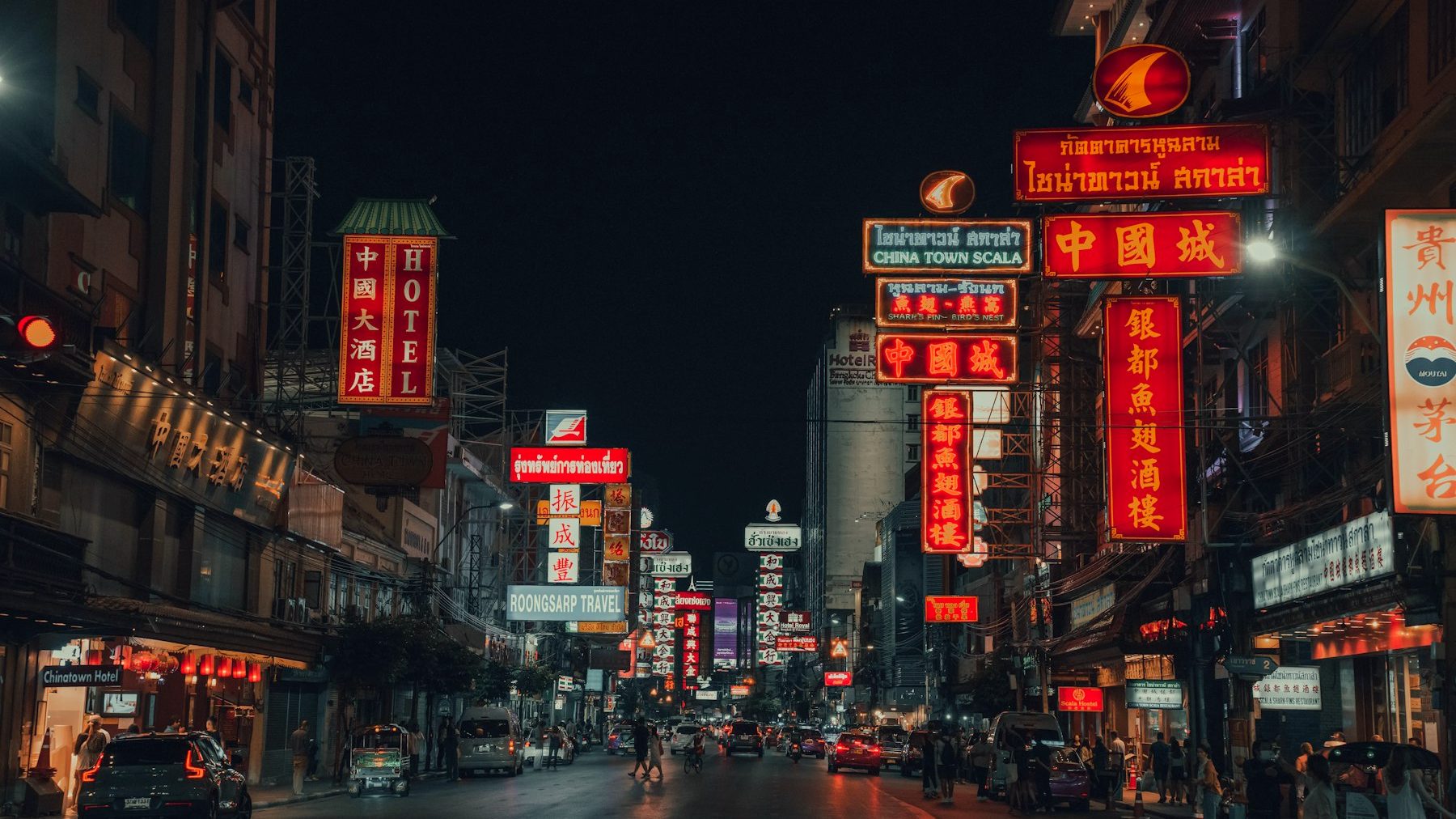
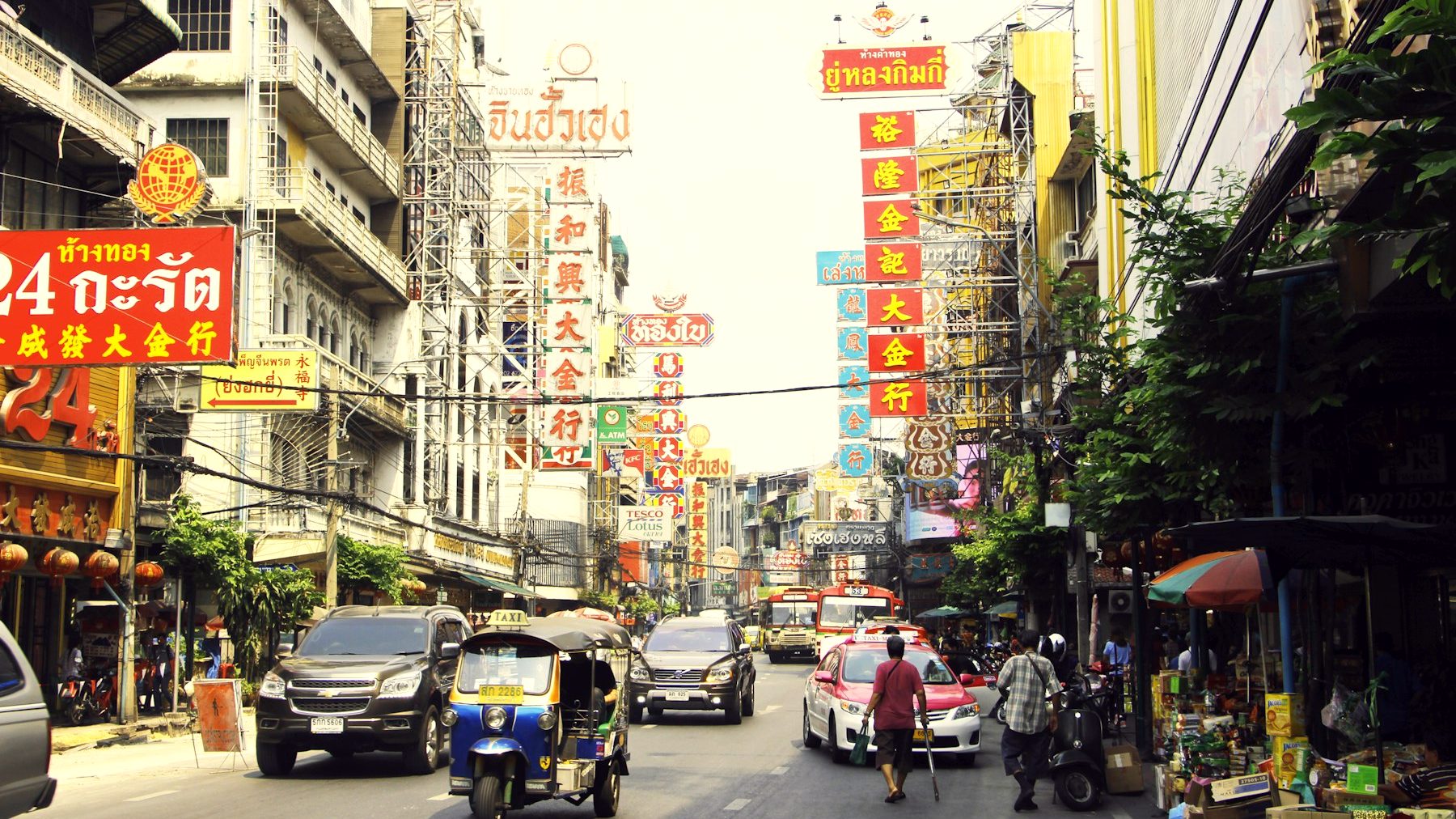
The trick is loose, not less. Lightweight linen trousers or a long cotton skirt are cooler than tight shorts in direct sun, and a thin long-sleeve shirt doubles as sunscreen. Slip-on shoes save you minutes of lacing at every building. Keep a foldable scarf in your bag and you’re temple-ready on zero notice — useful in Chinatown, where a spontaneous temple visit is always one corner away.
The rules inside
Hats and sunglasses come off indoors. Sit with your legs folded to the side, never with your feet pointing at a Buddha image — feet are considered the lowest part of the body, literally and spiritually. Women shouldn’t touch monks or hand them anything directly; if you need to give a monk something, place it down for him to pick up. Keep your voice at library level, and check for photo signs: most courtyards are fine, some interiors aren’t. When in doubt, watch what Thai visitors do and copy them.
Dress like you’re meeting someone’s grandmother — because spiritually, you are.
How strict is it, really?
It varies by address. The Grand Palace and Wat Phra Kaew enforce the letter of the law — leggings, ripped jeans and anything skin-tight can be refused [prüfen]. Wat Pho and Wat Arun are firm but friendlier. The small temples of Chinatown and the old town mostly rely on your good sense. The safe formula everywhere: one step more covered than you think you need. Nobody has ever been turned away for being too respectful.
FAQ
At most temples yes, at the strictest sites — the Grand Palace in particular — skin-tight clothing can be refused [prüfen]. Loose trousers or a long skirt are the safe universal answer.