Is Khao San Road still worth it? An honest look
The world’s most famous backpacker street, three decades on. Where it came from, what’s left, what’s changed — and how to enjoy it for exactly one good night.
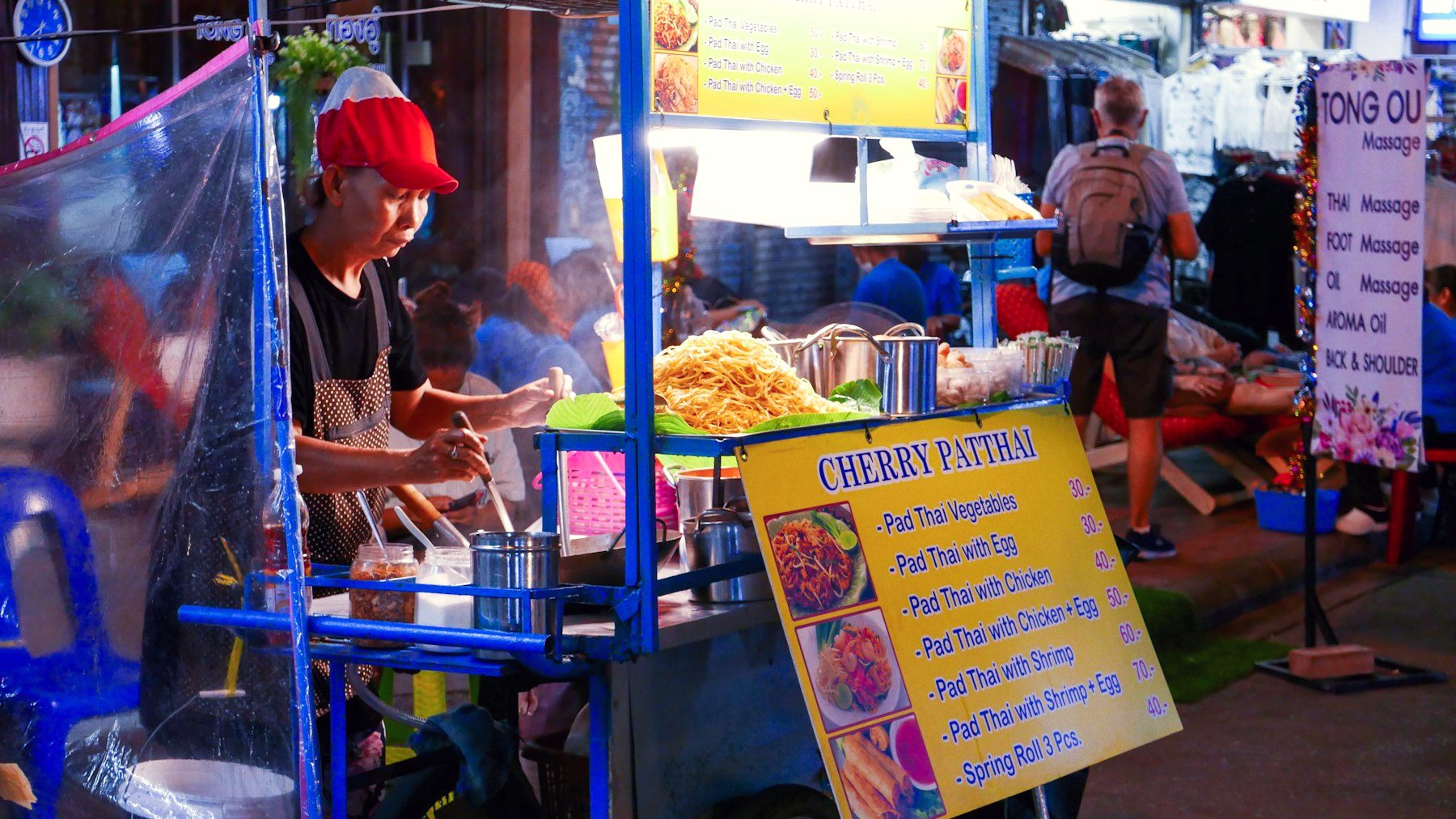
The street food that fed a generation of backpackers. · Photo: antonia_perlinger21 / Unsplash
Every traveler over thirty has a Khao San story. The cheap guesthouse with the paper-thin walls, the first pad thai from a cart, the friend made over a beer who became a travel companion for a month. For four decades, this short street in Banglamphu was where Southeast Asia began. The question people ask now is simple: is it still worth it? The honest answer is yes — for an evening, and if you know what you’re looking at.
A rice market, then a backpacker capital
The name gives the origin away: khao san means milled rice. By the late nineteenth century, Banglamphu was the biggest rice market in Bangkok, and the road itself was built in 1892 under King Chulalongkorn, Rama V. It is only about 410 meters long — too short, the story goes, to be named after anyone important, so it was simply called Rice Street.
For most of the twentieth century it stayed an ordinary commercial street. Then, around the early 1980s, locals started renting cheap rooms to foreign visitors, and the guesthouses multiplied. By the 1990s Khao San was the largest backpacker hub in the world, with a parallel economy of travel agents, bootleg CDs, fake IDs and banana pancakes. The 2000 film The Beach made it world-famous — even though its Khao San scenes were shot on a set.
For four decades, this short street was where Southeast Asia began.
What changed
In 2019 the city started a 48.8-million-baht makeover to turn Khao San into a proper “international walking street,” with new pavements, regulated vendor spaces and collapsible railings to keep cars out during the day. The pandemic then emptied it almost overnight. When travelers returned, the street they found was cleaner and more organized — and more mixed. Today Thai students and young Bangkokians party here alongside foreign travelers, and on weekend nights the crowd is often more local than international.
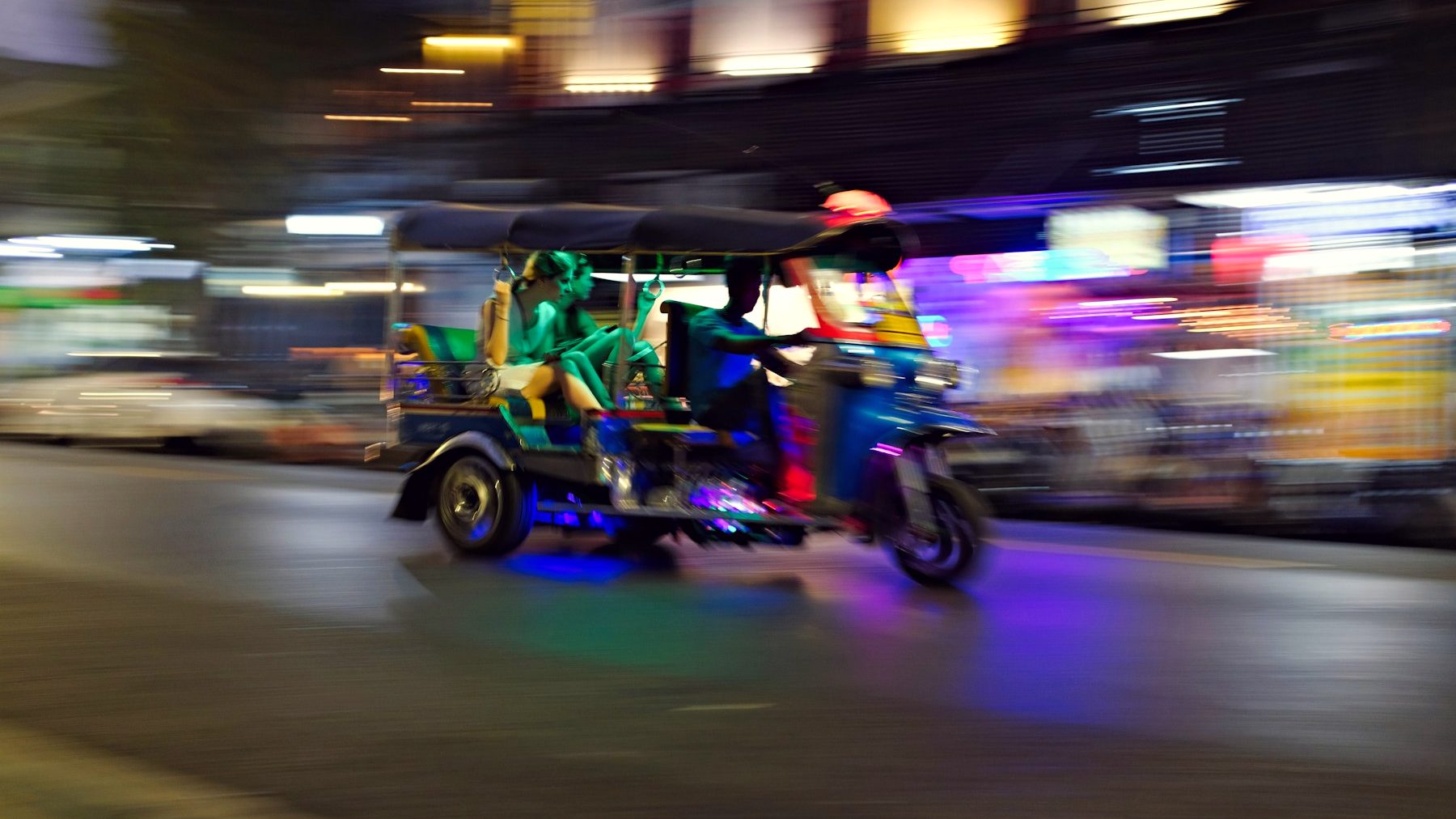
Some things never left: the bucket bars, the fried scorpions on sticks (mostly for photos), the tattoo parlors, the massage chairs on the sidewalk, the music fighting from three directions at once.
How to do Khao San right
Treat it as a stop, not a base. Come in the evening, walk it once end to end, have a drink at a sidewalk table and watch the parade. Then do what experienced visitors do: step one street over to Soi Rambuttri, which curves around a temple and keeps a calmer, leafier version of the old backpacker scene. Walk five minutes further to Phra Athit Road by the river, with its old Phra Sumen Fort, a riverside park and small bars where students play guitar.
By day, Banglamphu is one of the most rewarding neighborhoods in old Bangkok: the Grand Palace and Wat Pho are a short ride away, the Banglamphu museum next to Phra Sumen Fort tells the area’s story [prüfen], and the side streets still hold family shops that have nothing to do with tourism.
The honest verdict
If you’re looking for “real Bangkok,” Khao San isn’t it — and it never claimed to be. It is a piece of travel history that is still running, loud and a little absurd. One night is the right dose. Stay somewhere quieter, come for the evening, and leave before the buckets win.
FAQ
For an evening, yes. It is a living piece of backpacker history with a lively, mixed crowd of travelers and young Thais. Most visitors enjoy it more as a stop than as a place to stay.