Phrom Phong: how a Japanese community shaped Sukhumvit
Look past the malls and condominium towers, and Phrom Phong reveals a different Bangkok: one built not around spectacle, but around the routines that make a foreign city feel like home.
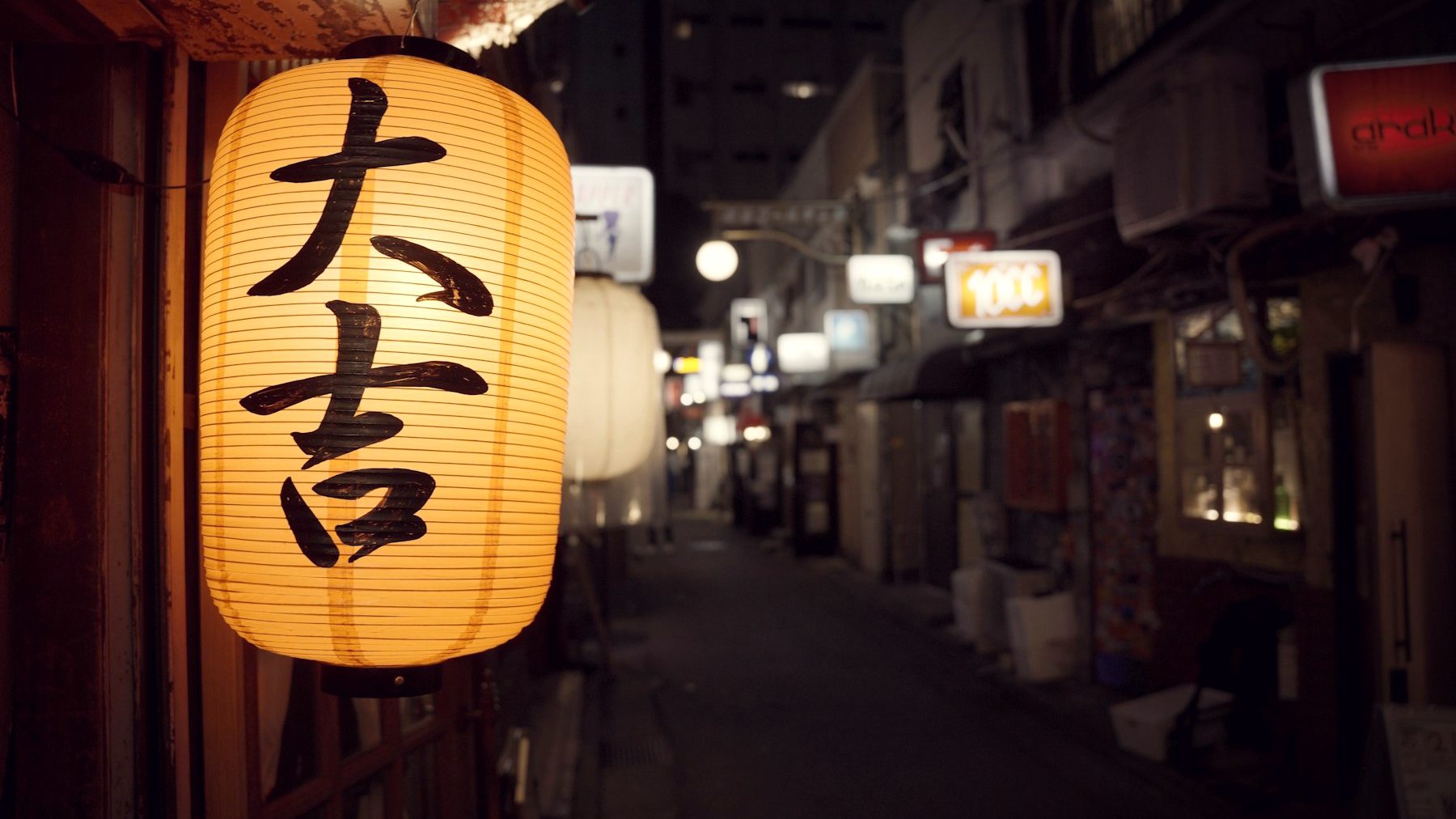
Phrom Phong at ground level, after dark. · Photo: arthurhinton / Unsplash
At first glance, Phrom Phong can look like Bangkok at its most polished. The BTS cuts across Sukhumvit Road. Glass-fronted malls meet elevated walkways. Apartment towers rise behind tree-lined side streets, and traffic moves with the impatience of a city that has somewhere to be. But the real character of Phrom Phong is found at ground level.
It is in the early-morning coffee counters, the Japanese-language signs tucked into narrow sois, the family restaurants that work around school schedules, the specialty groceries and the services that only exist when enough people need the same things every day. This is one of Bangkok’s most recognizable international neighborhoods — not because it feels separate from the city, but because it shows how a community can become part of its daily fabric.
The luxury district is not the whole story
Phrom Phong is often described through shopping: Emporium, EmQuartier and the wider EM District. Those places matter. Benchasiri Park opened here in 1992, and Emporium followed in 1997, helping establish this stretch of Sukhumvit as one of Bangkok’s most prominent lifestyle districts. But shopping does not explain why the neighborhood feels so lived-in.
A better clue is found behind Sukhumvit Road, especially around Soi 33/1 and nearby lanes. Here, Japanese script appears alongside Thai and English. Small businesses cater to people who are not visiting for a single night but living in Bangkok for months or years. A haircut, a bowl of noodles, a children’s lesson, a familiar product from home, an appointment that doesn’t need an interpreter — these are the quiet details that turn a district into a community.
Phrom Phong is not “Japan in Bangkok.” That phrase is too neat for a city this layered. It is Thai, Japanese, international and deeply local at the same time. The interesting story is not one culture replacing another, but a Bangkok neighborhood adapting to people arriving from elsewhere while remaining unmistakably Bangkok.
How a community became infrastructure
Japan’s relationship with Thailand long predates the towers of Sukhumvit. After the Second World War, the Japanese population in Bangkok was small, though trade offices and factories were already taking shape by the 1960s. A much larger wave of corporate migration followed from the late 1980s, as Japanese companies expanded across the region and employees arrived with families rather than alone.
Central Sukhumvit became a natural place to settle: connected, residential and close to offices and international services. Apartment buildings filled with corporate assignees, and the businesses around them adapted. This is how neighborhoods change in Bangkok — not always through a master plan, but through need. When enough people need a particular kind of supermarket, clinic, tutor or dry cleaner, the city makes room for it.
It isn’t a monument or a landmark. It is convenience, translated into streetscape.
Soi 33/1 and the art of the ordinary
If Phrom Phong’s malls are its public face, Sukhumvit Soi 33/1 is closer to its handwriting. The lane has long been associated with Bangkok’s Japanese community, and researchers have studied it specifically as a neighborhood shopping street shaped by Japanese residents and the businesses serving them. Nothing there needs to be dramatic.
The most revealing places in a city are often those built for return visits. A restaurant that expects its customers to know the menu. A shop that stocks things visitors would never think to look for. A salon where the conversation moves between Thai, Japanese and English. These are not attractions in the traditional sense, but they are evidence of a living city.
For a traveler, that makes Phrom Phong more rewarding than a checklist of famous restaurants. Read it slowly. Look at the signs. Notice who is buying groceries, waiting for a table or collecting children after school. Bangkok becomes more legible when you pay attention to the routines that sit behind its bright surface.
A park, a mall and a changing idea of Sukhumvit
Benchasiri Park is one of the few public green spaces directly on this part of Sukhumvit Road, and it softens a district otherwise defined by towers and traffic. Office workers eat lunch there; families gather in the evening; runners circle the lake while the BTS passes overhead.
Across the road, the malls tell another side of the same story. In Bangkok, malls are rarely only places to shop. They are air-conditioned meeting points, transport connections, dining rooms, play areas and extensions of apartment life. That combination — a public park, private development, international households and intensely local sois — is what makes Phrom Phong feel complete. It is not a historic quarter frozen in time. It is a neighborhood still negotiating what modern Bangkok should be.
More than an expat district
It is tempting to call Phrom Phong an “expat area” and leave it there. But that label flattens the place. There are Japanese families and Japanese businesses, certainly. There are also Thai owners, Thai staff and Thai residents whose lives are tied to the same streets, plus visitors from across Asia, long-term residents and office workers passing through.
The neighborhood doesn’t belong to one group; its identity comes from the interaction between them. That is the more interesting version of international Bangkok — not isolated enclaves, but a city where daily life is constantly translated on menus, signs, school runs and dinner tables. Spend an hour on its side streets and it becomes clear: this is Bangkok as a place to live, not just a place to arrive.
FAQ
Central Sukhumvit became a popular residential area for Japanese corporate employees and families, especially as the community grew from the late 1980s. Businesses and services developed around their everyday needs, particularly in sois such as Sukhumvit 33/1.