Seeing elephants is on almost every Thailand list. It is also where good intentions most often go wrong. For decades, elephants here were used for logging, then for rides, shows and street begging. Many of the places now calling themselves “sanctuaries” have only taken the saddle off.
There are good options within reach of Bangkok. You need to know what you are looking for.
First, what “ethical” should mean
There is no official label, so use this scale, from what to avoid to the best of them.
Avoid completely:
- Elephant rides of any kind, with or without a seat.
- Shows, tricks, painting or football.
- Elephants chained during the day, or kept on short ropes in small pens.
- Baby elephants used for photos or “playing” with tourists.
- Handlers using a bullhook (a stick with a metal hook) to control the animals.
- Elephants walking city streets for money.
Hands-on sanctuaries: no riding, but close contact. You prepare food, feed the elephants by hand and often help wash them in a river. No riding, no shows. The elephants are usually rescued, old or sick, and visitor fees pay for their care. Many travellers love this. Many animal welfare groups do not, because bathing and feeding with tourists is managed contact rather than natural behaviour.
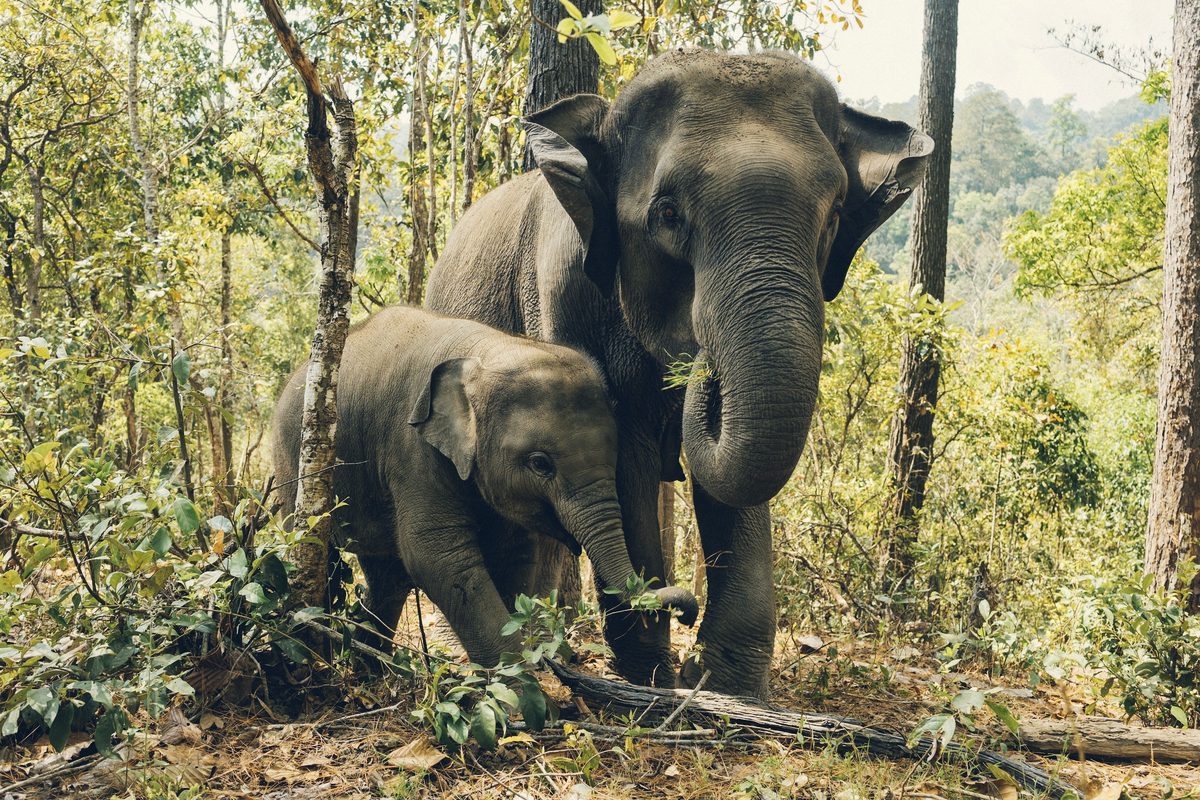
Observation-only: the strictest standard. No riding, no feeding by hand, no bathing, no touching. You watch the elephants forage, socialise and bathe on their own, from a respectful distance. This is the model that World Animal Protection and other welfare groups recommend.
Which one you choose is up to you. We would only ask that you choose with your eyes open.
Where to go near Bangkok
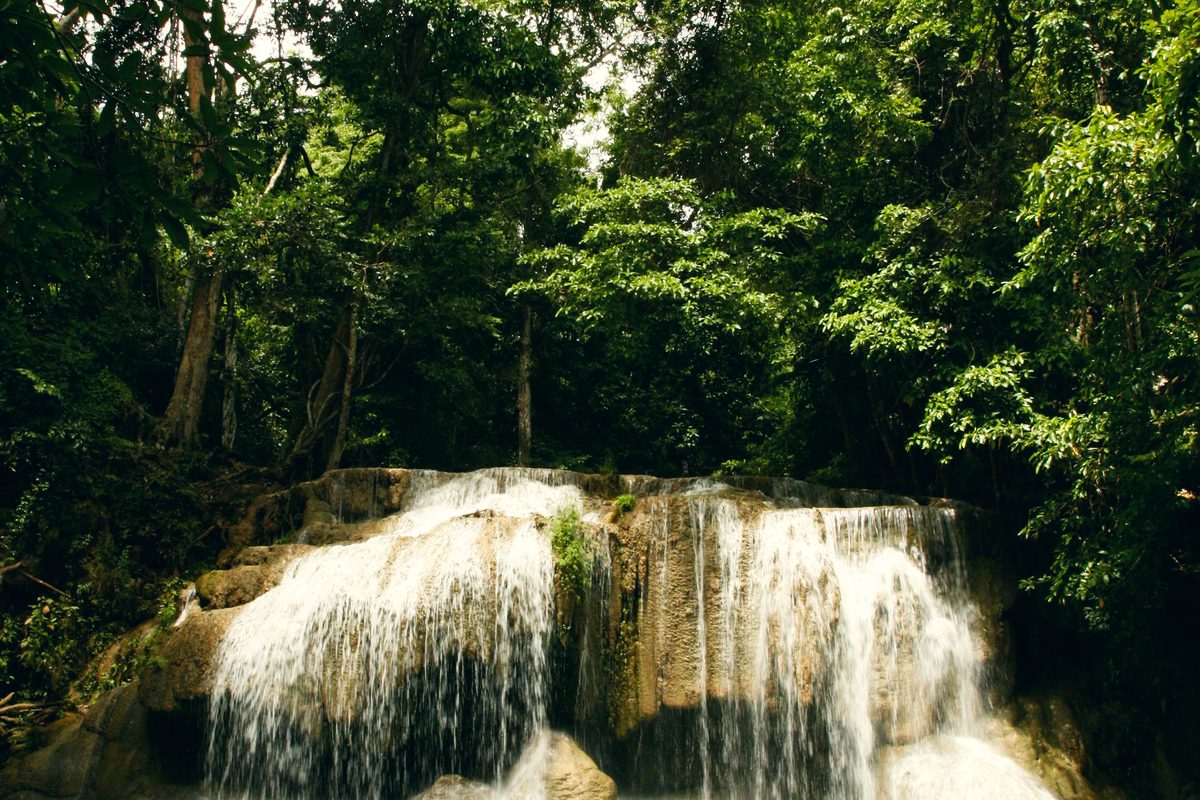
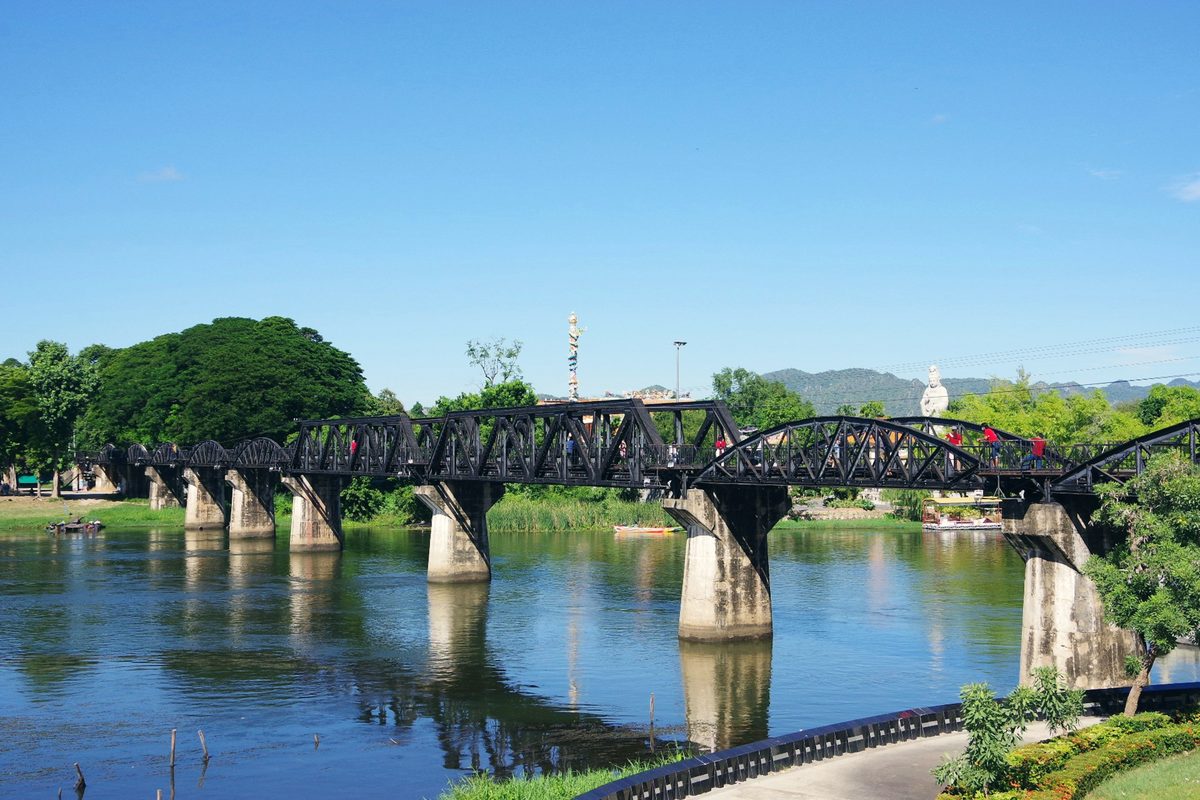
All three are in Kanchanaburi province, the same area as the River Kwai and Erawan Waterfall, about 2 to 3 hours west of Bangkok.
ElephantsWorld: hands-on care for old and rescued elephants
ElephantsWorld was founded in 2008 by a Thai vet as a retirement home for old, sick, injured and rescued elephants, many of them from the logging and trekking industries. It is about 30 kilometres from Kanchanaburi town, by the river, and it is the best-known sanctuary near Bangkok. Their motto: humans work for the elephants, not the other way round.
A visit is hands-on: you help cut and prepare food, feed the elephants, prepare special soft food for the oldest elephants and, usually, join them for a bath in the river. There is no riding and no shows.
Good for: people who want to help with the care and get close. Keep in mind: feeding and bathing are exactly the activities strict welfare groups advise against. Read their information and decide for yourself.
Elephant Haven: a former riding camp, saddles off
In Sai Yok, further west, an old elephant trekking camp switched to a “saddle off” model in partnership with the Save Elephant Foundation, the organisation behind Chiang Mai’s famous Elephant Nature Park. Today it is home to a small herd of rescued elephants, with no riding, no shows and no chains. Visits focus on walking with the elephants through the forest and watching them eat, socialise and bathe in the river.
Good for: a middle ground, a small herd and a beautiful setting. It is further from Bangkok, so it works best with a night in Kanchanaburi.
Somboon Legacy Foundation: observation only
A small non-profit sanctuary in Kanchanaburi with only a handful of elephants, on World Animal Protection’s list of observation-only venues. There is no feeding, bathing or touching: the elephants live as freely as possible, and visitors watch and learn. Visits are small and must be booked ahead: there are half-day, full-day and overnight programmes, so check the options directly with the foundation.
Good for: anyone who wants the strictest ethical standard, and has the time to plan ahead.
How to check a sanctuary yourself
Before you book anything with “sanctuary” in the name:
- Look at the photos. Riders, seats, chains, painting or tricks: skip it.
- Read the programme. Is it built around the elephants’ day, or around photo moments?
- Count the elephants and the visitors. A few elephants and a coach load of tourists every hour is a business, not a sanctuary.
- Check the babies. Young elephants should be with their mothers, not with you.
- Search the name with “World Animal Protection”. Their list of observation-only venues is a good starting point.
Getting there
Kanchanaburi is about 2 to 3 hours from Bangkok by car, and the sanctuaries are another 30 to 90 minutes beyond the town. By public transport, it is hard to do as a day trip; with a night in Kanchanaburi, it is easy. Read our guides to the River Kwai and Erawan Waterfall for the bus, train and park details.
Comparing your options? Our day trips from Bangkok guide puts them side by side.
Elephants and Erawan in one day
If you would like the hands-on experience and only have one day, the easiest way is a tour that does the driving. The one we recommend spends the morning at ElephantsWorld, where you prepare food, feed the elephants and help wash them, with no riding, and the afternoon swimming at Erawan Waterfall. Lunch and the national park fee are included, and it is very well reviewed. Just be aware it is a long day of about 12 hours, and that it includes the hands-on contact described above.
If you prefer observation only, skip the tour and plan a visit to Somboon Legacy or Elephant Haven with a night in Kanchanaburi. Either way, the elephants are better off for your choosing carefully.
Sources: ElephantsWorld, Elephant Haven Thailand, Save Elephant Foundation, World Animal Protection list of observational elephant venues 2025–26. Checked November 2026.